Plant spring-blooming bulbs in fall for years of low-maintenance color
When it comes to plants, bulbs are among the easiest to grow – and fall is the time to get them in the ground.
“You plant spring-flowering bulbs in fall, they grow over winter, flourish in spring and go dormant in summer,” said Heather Stoven, horticulturist with the Oregon State University Extension Service. “Once they’re in the ground, they do quite well over multiple years with little maintenance.”
Bulbs are naturally drought tolerant because they go dormant in summer and require no watering. If you’re planting bulbs among perennials or near shrubs, Stoven recommends pairing them with plants that also need little irrigation. If the area gets regular water, make sure the soil drains well.
Bulbs such as daffodils, tulips, crocus and hyacinths are planted in fall because they need time to establish roots before producing spring flowers. October and November are ideal months for planting, but bulbs can be planted until mid-December.
When buying bulbs, choose large, firm ones – the bigger the bulb, the bigger the bloom. Avoid any with mold or soft spots. Plant bulbs as soon as possible after purchase. If you must delay, store them in a cool, dark place such as an unlit garage.
Plan before you plant
Before heading to the garden center, decide on color combinations and bloom times. Selecting early-, mid- and late-blooming varieties will extend your display. You might plant a bold sweep of a single color or mix different bulb types for variety.
For a natural look, dig larger holes for multiple bulbs rather than planting one at a time. “Groupings are really nice,” Stoven said. “You’ll get a mass of color.”
Planting tips
Follow the depth instructions on the package, but as a general rule, plant bulbs at a depth about three times their width. Add organic material such as compost, well-rotted manure or mulch to the bottom of the hole. Place the bulb pointed side up and cover with soil.
Fertilizer is not necessary, but if you choose to use it, select superphosphate or a low-concentration fertilizer labeled for bulbs.
There’s no need to dig bulbs after flowering, but allow the foliage to turn brown and die back so nutrients return to the bulb for the next growth cycle.
Stoven’s picks for uncommon spring-blooming bulbs
Fawn lily (Erythronium oregonum)
An Oregon native wildflower with nodding white or yellowish flowers and mottled leaves. Prefers shade and thrives in woodland gardens.
Grecian windflower (Anemone blanda)
Delicate, star-like flowers in blue, white or pink appear above ferny foliage, which dies back soon after bloom. Works well in mass plantings. “Blue is especially nice to have as a contrast to yellow daffodils,” Stoven said.
Allium
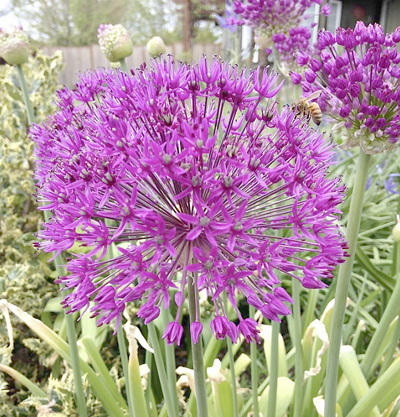
A deer-resistant member of the garlic family that produces globe-shaped flower heads in purple, pink, blue or occasionally white. Sizes range from large blooms like ‘Globemaster’ to small drumstick alliums.
Fritillaria
This diverse genus includes the crown imperial (Fritillaria imperialis), with orange or yellow bell-shaped flowers on stems up to 5 feet tall, and the smaller native checker lily (F. affinis), which has purple flowers spotted with yellow.
Species tulips
Shorter, hardier and longer lasting than common hybrid tulips. They come in many colors, often with flowers that open wide in sun. Species tulips can self-seed and naturalize, providing years of blooms.
flower garden
Want to learn more about this topic? Explore more resources from OSU Extension: Flowers, shrubs and trees
Author