
Oregon officials double down on clean energy goals
Gov. Tina Kotek has issued an executive order to advance Oregon’s new State Energy Strategy, a roadmap for achieving the state’s climate and energy goals.
The order directs agencies to strengthen the Clean Fuels Program, accelerate building and vehicle electrification, and expand energy storage and transmission.
Nora Apter, Oregon director of the advocacy group Climate Solutions, who helped draft the strategy, said the order signals Oregon is doubling down on climate and clean energy leadership at a moment when federal leadership is backing away.
“The energy strategy found that Oregon can achieve the energy transition we’ve mapped out,” Apter explained. “Doing so is the cheapest and most resilient option for Oregon households, businesses, and communities.”
Apter pointed out the state’s energy strategy is the culmination of two years of work by the Oregon Department of Energy, tribes, local governments, utilities, community organizations and many others.
Joel Iboa, executive director of the Oregon Just Transition Alliance, noted climate change’s extreme weather disproportionately affects those with fewer resources, including low-income communities, people of color and rural residents. He stressed for them, the energy strategy is a lifeline.
“At the end of the day, we want to make sure that folks are able to turn on the heat when it’s cold and turn on the AC when it’s hot and it not burn a hole in their pocket,” Iboa emphasized.
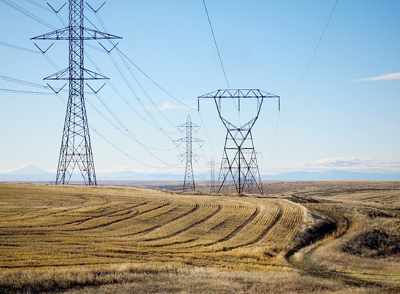
Diane Brandt, policy and legislative affairs director for the advocacy group Renewable Northwest, contended one of the state’s biggest bottlenecks around transitioning to clean energy is not just building new renewable energy sources. As the executive order states, Oregon also needs to expand and upgrade its aging electrical grid to ensure reliability.
Brandt underscored it has been decades since the last major infrastructure overhaul.
“The energy strategy is requiring us to flex these muscles that have atrophied in order to figure out how we’re moving forward,” Brandt argued.
Brandt added many of the updates to the grid are needed now to make sure Oregonians have access to the power they need, as well as to meet the ballooning demand for power in the long term. Oregon has a goal of achieving an 80% reduction in fossil fuel emissions by 2050 and 100% clean electricity by 2040.
publicnewsservice.org
Author
