
Oregon first responders get schooled on working with rural seniors
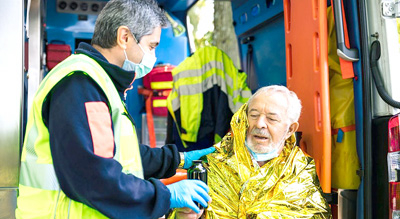
A new training program is helping to prepare police, paramedics and other first responders to better support older adults in rural Oregon during disasters like wildfires or extreme weather events.
Research shows older adults are disproportionately affected by disasters, especially outside city centers.
Julia Brown, community outreach and engagement manager for the nonprofit AGE+, which helped organize the free training sessions, said most emergency response systems rely on individuals to do things like pack a go-bag and plan an evacuation route but not everyone is able to do so.
“That really doesn’t account for the number of older adults that are living independently, may not have easy access to transportation, may be living with chronic illness or disability,” Brown explained.
Brown pointed out there are many more older adults who face these specific challenges in rural communities, adding the training has been piloted in five counties in north-central and eastern Oregon and has been well received.
Laura Byerly, director of the Oregon Geriatrics Workforce Enhancement Program, which helped create the training program, said it touches on how to work with people with cognitive, physical and emotional hurdles.
“How do you actually think through the moral gut punch that can happen when an older adult says, ‘I’m not leaving and you can’t make me’? What are the opportunities we have there for a conversation? What is the legal requirement?” Byerly outlined.
Byerly noted part of the training is a role-play so participants can experience firsthand some of the challenges older adults might be facing, which she added was more fun than expected.
“When you get to see your county fire chief with sensory impairment goggles, earplugs, and a front-wheel walker and say, ‘This sucks,’ and get to say, ‘Yes, and why would that potentially change how your interaction with an older adult goes in the future?'” Byerly observed.
Byerly’s team is working with tribal and other emergency preparedness leads in southern and coastal Oregon about bringing training sessions to their locations.
Author
