Public urged avoid contact with sick or dead birds
Deadly Avian Influenza Spread Prompts Statewide Warning
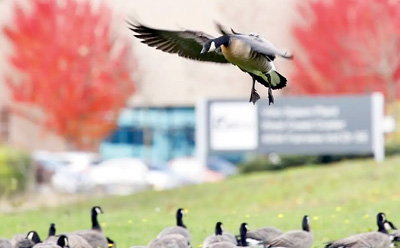
Oregon wildlife officials are urging people to steer clear of sick or dead birds as a highly pathogenic strain of avian influenza (HPAI) continues to sweep through wild and domestic bird populations across the state.
The Oregon Department of Fish and Wildlife (ODFW) says the virus has no effective treatment for birds and can spread rapidly within flocks – and potentially to other wildlife. Reports of bird deaths linked to HPAI have been rising in recent weeks, with the hardest-hit areas in the Willamette Valley, particularly among migrating cackling geese and several species of raptors.
Eastern Oregon has also seen early-season duck and raptor die-offs, as well as snow goose fatalities. Sporadic cases are being reported along the coast, involving gulls and other waterbirds.
Since 2022, HPAI has been detected in nearly every Oregon county, contributing to the deaths of more than 15,000 wild birds statewide. Across North America, more than 183 million domestic poultry have been euthanized because of the virus.
While birds remain the primary victims, the disease has also reached non-avian wildlife in Oregon, including raccoons, skunks, foxes, marten, and bobcats. Nearly any mammal that scavenges infected birds or spends time in contaminated areas may be at risk. Nationwide, coyotes, wild cats, bears, and even marine mammals in both hemispheres have been affected. Domestic animals such as cattle, pigs, goats, alpacas, poultry, waterfowl, and cats have also tested positive.
ODFW is asking the public to report any groups of sick or dead wild birds to its Wildlife Health Lab at 866-968-2600 or by emailing wildlife.health@odfw.oregon.gov. While single bird reports help track suspicious cases, limited resources mean staff may only respond to large die-offs or situations involving multiple species.
Residents should not handle dead or dying wildlife. If disposal is necessary, officials recommend using a shovel or protective gloves, followed by thorough handwashing and changing clothes before coming into contact with domestic birds.
Dogs should also be kept away from affected birds. While no confirmed cases of dog illness linked to HPAI have been recorded, officials advise hunters not to feed dogs raw meat or organs from harvested waterfowl and to keep retrieving dogs away from sick or dead birds.
Symptoms of avian influenza in wild waterfowl may include lethargy, difficulty flying, erratic movement, loss of coordination, cloudy eyes, or swimming in circles. Some ducks may show no symptoms yet still shed the virus in their feces, spreading it to other birds and wetlands. Infected mammals may appear neurologically impaired or be found dead after scavenging infected carcasses.
Birds typically die within 72 hours after symptoms appear. Wildlife rehabilitators in Oregon are currently being advised not to accept waterfowl showing signs of avian flu due to the risk of spreading the virus within their facilities.
Anyone noticing illness or sudden deaths among domestic poultry – including chickens, turkeys, and guinea fowl – should contact the Oregon Department of Agriculture immediately at 503-986-4711 or 1-800-347-7028. Guidance on protecting backyard flocks is available through ODA.
Health officials say the risk to humans remains low. Since early 2024, 71 human cases of avian influenza have been reported in the United States, including two deaths. Most infections occurred among people exposed to infected dairy herds or poultry facilities. The Centers for Disease Control and Prevention continues to monitor and publish updates on human cases.
Author