BLM Seeks Public Comment on Timber Plan for Western Oregon Forests
Plans coves 2.5 million acres of timberlands that support rural economies, wildlife habitat and recreation
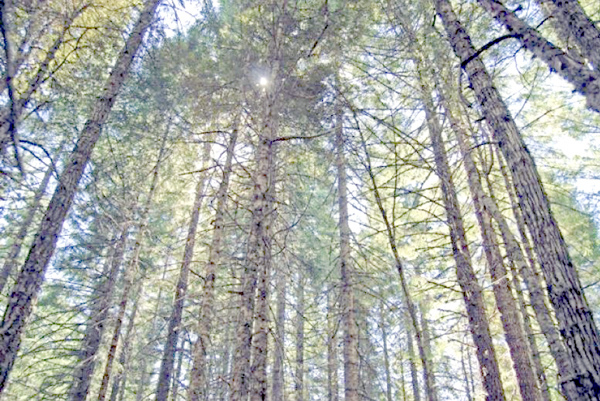
Residents of the McKenzie River Valley and across western Oregon have an opportunity to weigh in on how millions of acres of nearby federal forests will be managed in the coming decades. The Bureau of Land Management has opened a public comment period on a proposed timber management plan covering roughly 2.5 million acres of BLM-administered lands in western Oregon, including forests managed through the Eugene District.
The Bureau of Land Management is inviting public comment on proposed updates to land management plans that guide the use of approximately 2.5 million acres of federally managed timberlands in western Oregon.
According to the agency, the proposed revisions are intended to increase domestic timber production while continuing to address environmental protections, wildfire resilience, recreation, and habitat conservation across BLM lands.
“Bringing timber production back to historic levels is essential for reviving local economies and reducing the threat of catastrophic wildfires,” said Bill Groffy in a statement. He added that increasing domestic timber production has been identified by the administration as important for economic development and wildfire management.
A notice opening the public comment period is scheduled to appear in the Federal Register, with comments accepted through March 23. The public can review the proposal and submit feedback through the Bureau of Land Management’s National NEPA Register website, by email, or by mail to the agency’s Portland office.
Managing Western Oregon’s Timberlands
The plans would guide management of BLM-administered lands across western Oregon, including areas within the Eugene, Salem, Roseburg, Medford and Coos Bay districts, as well as the Klamath Falls field office.
These lands are managed under the Oregon and California Revested Lands Sustained Yield Management Act of 1937, which directs the agency to manage the forests for sustained timber production while supporting local communities.
Revenue from timber harvested on these lands is shared between the federal government and 18 western Oregon counties. Those funds help support local services such as schools, libraries, public safety and infrastructure projects.
The BLM estimates that its timber sales support roughly 2,000 local jobs annually and generate more than $1 billion in economic activity.
Economic and Environmental Analysis
The proposed Resource Management Plan and accompanying Environmental Impact Statement analyze several management alternatives and their economic effects over the coming decades.
Among the findings:
The annual value of timber harvests on BLM lands could increase from about $23 million in 2012 to roughly $51 million under the proposed plan.
Recreation on BLM-managed lands was estimated to be worth $223 million in 2012, with projected values reaching about $271 million under the proposed plan.
Net carbon storage on BLM lands, valued at $85 million in 2012, could rise to about $159 million annually under the proposal.
BLM management contributed approximately 7,900 jobs and $355 million in earnings in the region in 2012, with projections of about 8,500 jobs under the new plan.
BLM officials note that the lands provide both market and non-market benefits, including timber, recreation opportunities, wildlife habitat, watershed protection, minerals and grazing.
Why the Plans Are Being Updated
The agency says revisions are needed because the current plans, adopted in 1995, no longer reflect updated science, policy changes, and evolving land management needs.
Since then, new recovery plans have been developed for species such as the Northern Spotted Owl, and additional threatened or endangered species have been listed. There have also been changes in forest management practices, invasive species control, energy development, recreation management and public access policies.
The updated plans are intended to balance multiple goals, including maintaining timber production, protecting wildlife habitat, improving watershed health, restoring fire-adapted ecosystems and expanding recreation opportunities.
BLM officials say public input will help shape the final management strategy for the forests, which play an important role in the economic, ecological and cultural landscape of western Oregon.
Residents can review the proposal and submit email comments to tinyurl.com/6hvza26t or delivered to: Attention BLM OR930, 1220 SW 3rd Ave, Portland, OR 97204.before the March 23 deadline.
Author